
A College of Charleston housing proposal for 1,000 students involves a downtown property with a much older purpose: a municipal burial ground for some of the city’s most vulnerable people.
The planned Coming Street Commons residence hall at 106 Coming Street has become a sensitive debate about student housing, historical preservation, and how much information the public can see before the project advances.
The latest scrutiny follows an October 6 Charleston City Paper report about access to ground-penetrating radar information. The outlet reported the proposed 1,000-student capacity and described concerns surrounding a planned release of survey findings.
What was here before the parking lots
In its own campus-project overview, the college acknowledges the land’s use as a former potter’s field. People buried there included the poor, orphaned children, enslaved people, yellow-fever victims, and travelers.
The property later became associated with the YWCA. The college acquired the site in January 2025, following earlier approval for high-density student housing.
Its current project website describes archaeological documentation and commemoration as central parts of development. The college says the final design remains contingent on archaeological findings, public input, and state preservation requirements.
Why access to the surveys matters
City Paper cited a community-council member who said access to the unredacted report would be restricted, including limitations on notes and photographs. A college spokesperson told the outlet that redactions protecting sensitive information were required by permit conditions.
That creates a specific tension: residents want enough information to judge the plans, while the college says burial-location information requires protection.
The reporting also described earlier radar work as inconclusive about whether human remains are present. Readers should distinguish the documented history of the burial ground from confirmation of what survives beneath a particular portion of the property.
The college’s housing argument
The university says additional on-campus housing can reduce pressure on surrounding neighborhoods. Its project FAQs, dated September 5, 2025, say several alternative sites were considered and describe the selected property as the viable option offering the required density and scale.
The same FAQs outline a process for archaeological documentation and reinterment of any remains encountered. They are dated background information, so residents should check newer project notices for changes to the process.
The issue reaches beyond a proposed building: how should a growing college provide housing while preserving the history beneath an already-developed part of Charleston?
A public gathering is approaching
The college’s community-council page lists a commemorative gathering at 106 Coming Street on Saturday, October 24, from 10 a.m. to 1 p.m., rain or shine. The program includes reflection, prayer, music, and remembrance.
That official listing is the place to check event details and subsequent meeting updates. The project website also provides a mailing-list option for people following the development.
Follow GlobalFlare’s Charleston coverage for more local news.
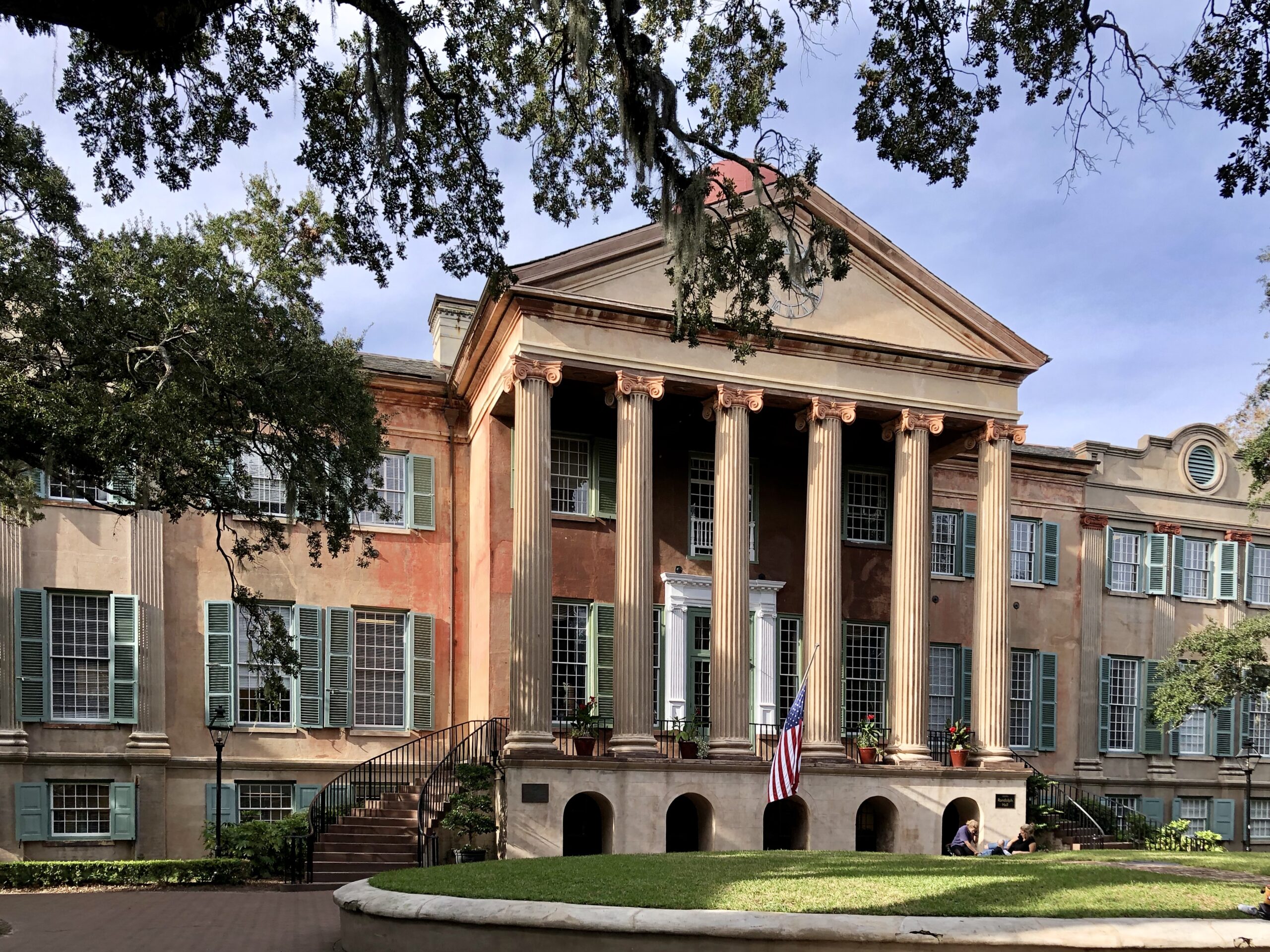
File photograph: Randolph Hall on the College of Charleston campus, photographed in 2019; this is not the proposed 106 Coming Street development site. Photo: Warren LeMay / Wikimedia Commons, CC0.








.jpg)