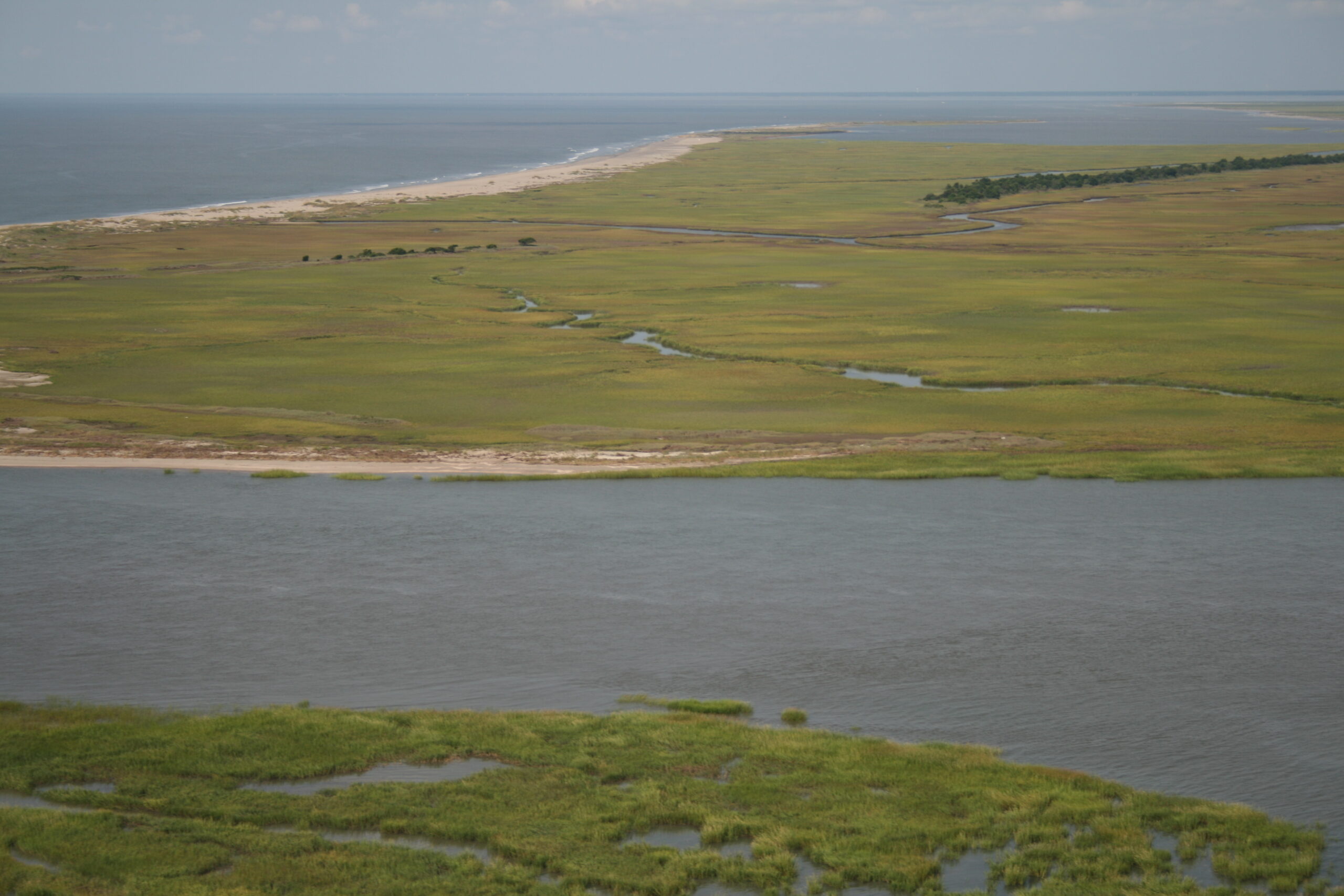
A 229-acre property on the edge of Cape Romain National Wildlife Refuge is headed toward conservation after years of conflict over housing development in Awendaw, north of Charleston.
Pulte Home Company has agreed to sell the White Tract to Open Space Institute for permanent protection, according to a November 6 joint announcement from conservation organizations. The agreement creates a path for the land eventually to become available for incorporation into the refuge.
There is still a transaction ahead: Live 5 News reports a December closing. The settlement should not be read as confirmation that the purchase has already closed or that the property is already open to visitors.
What changed after years of disagreement
The land had received development approval beginning in 2006, with a vision for more than 200 single-family homes, Live 5 reports. Conservation advocates challenged the plans, including concerns about septic systems near the refuge.
The South Carolina Environmental Law Project represented Coastal Conservation League, Friends of Coastal South Carolina and Charleston Waterkeeper. Their announcement says Open Space Institute identified a potential funding source and participated in discussions with Pulte and the conservation parties.
Under the arrangement, the pending legal challenges will be dismissed as a result of the property’s permanent conservation. The agreement also includes additional environmental measures at Pulte’s Farms at Longleaf community in Hollywood, Charleston County, and Rock Six in Dorchester County, the organizations said.
Pulte told Live 5 that the solution combines preservation with certainty for communities where growth is appropriate. The developer said the tract had received some necessary permits and approvals, and described the result as a collaborative outcome.
Why Charleston-area residents care
Cape Romain is more than a distant patch of green on a map. The U.S. Fish and Wildlife Service describes a 22-mile coastal refuge of barrier islands, salt marsh and waterways supporting more than 293 bird species.
Protecting land along its boundary is therefore a regional conservation issue, including for residents who visit the coast for birdwatching, boating and fishing. The agreement concerns the mainland tract in Awendaw; it does not describe a new housing decision within Charleston city limits.
For now, the next concrete step is the expected closing. Future refuge incorporation is a separate prospect, and the announcement supplies no public-opening date for the White Tract.
GlobalFlare also follows the region’s development debates, including the College of Charleston’s Coming Street dorm proposal.