
Tampa City Council advanced 14 proposed charter changes Thursday, including a new watchdog office and more authority over the mayor’s decisions. One proposal did not survive: tighter limits on how long a mayor could serve.
The city’s proposed minutes for November 19 record a 5–2 vote to deny the term-limit ordinance. Lynn Hurtak and Alan Clendenin opposed the motion to reject it. The other 14 charter ordinances passed 7–0.
These were votes to submit changes to voters, not votes that immediately rewrote Tampa’s charter. For residents, the distinction matters: the question is what rules could govern future city leaders, not simply who wins the next election.
What moved forward
Among the proposals are an Office of Inspector General, council authority to override a mayoral executive order, and the ability to initiate midyear budget changes without a mayoral recommendation. Another would let council create and fill staff positions within its allocated budget without prior approval from the mayor.
The proposed minutes identify the inspector-general measure as Ordinance 2026-132 and the substitute budget measure as Ordinance 2026-139. The record remains labeled proposed minutes; it is the city’s published account of the votes, rather than approved final minutes.
Why term limits fell out
Under the existing rules, a mayor can serve two consecutive four-year terms and return after sitting out at least one term, WUSF reported November 20.
The rejected proposal would have barred someone who had served more than six years from being elected mayor again, counting only service after adoption. WUSF reported that Bill Carlson supported term limits in principle but objected to how the proposal treated earlier service. Guido Maniscalco argued that voters can decide whether to return a former mayor to office.
The competing arguments extend beyond term limits. Clendenin described the broader changes to WUSF as adding checks and balance. Mayor Jane Castor has argued that council is intruding on executive responsibilities, according to Spectrum’s earlier reporting on the proposals.
What happens next
Castor can still veto the measures, WUSF reported. Council passage should therefore not be confused with a final voter-approved change.
The Hillsborough elections office’s municipal fact sheet, revised November 18, lists Tampa’s election for March 2, 2027, and a runoff for April 27. New terms begin May 1.
Thursday also brought Robin Lockett onto the seven-member council following her District 7 appointment. Residents following the next stage can use the linked vote record to distinguish the proposals council advanced from the term-limit question it rejected.
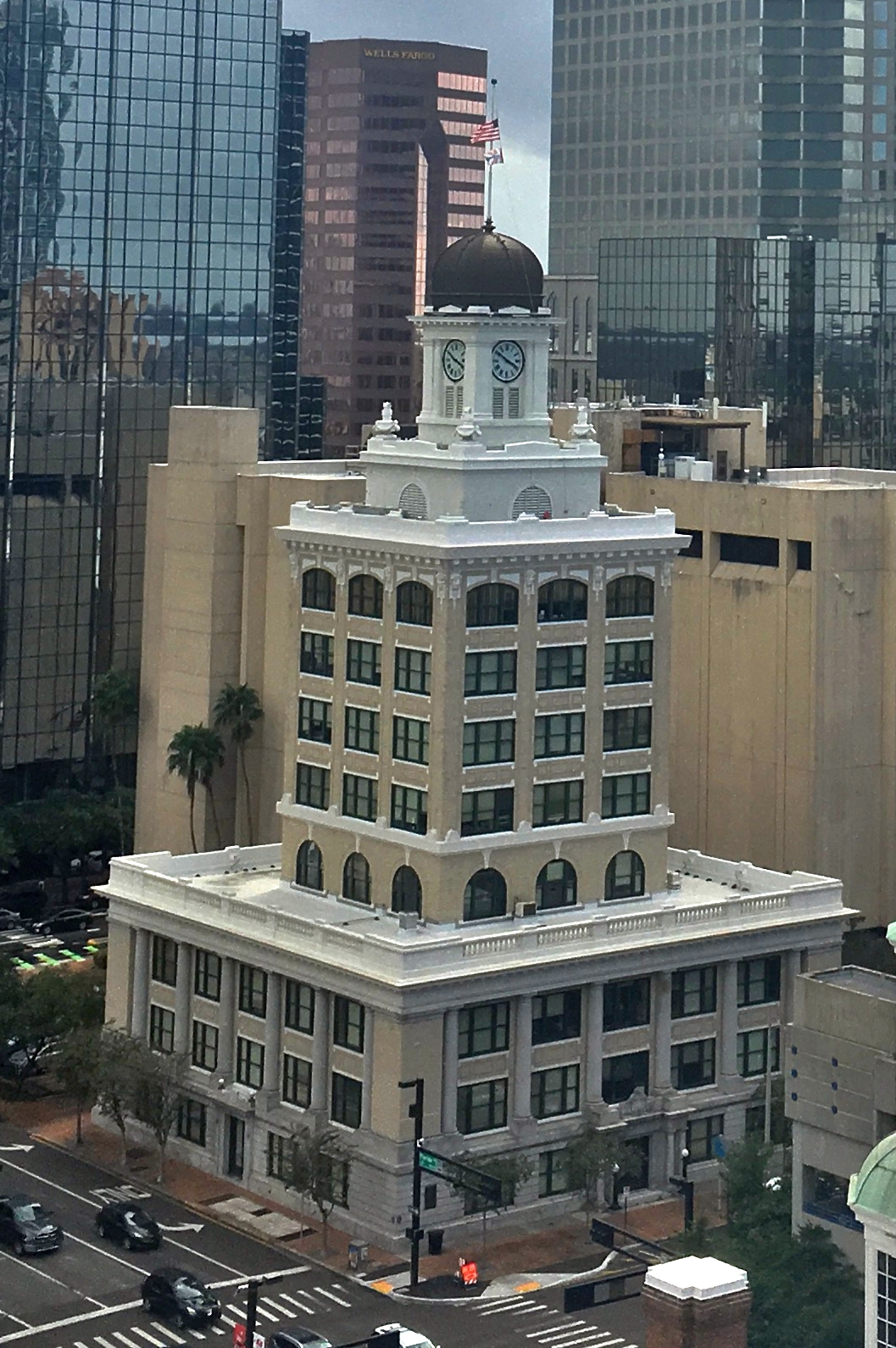
Image credit: BRoys, Tampa City Hall from the Madison Building, November 5, 2018. Resized file photo; CC BY-SA 4.0.