Charleston is asking residents to weigh in on a peninsula-wide plan that would reshape how streets work—and who pays more to park on them.
The draft calls for a 20 mph street-design standard, with an exception for the Lowcountry Rapid Transit route, and a parking policy intended to lower costs for residents while increasing revenue from tourists. Neither recommendation is an announcement that new speed limits or parking prices have taken effect.
The city presented the draft at its November 19 public forum. Public comments are open through December 13, with the full 74-page document and a comment form available on the project page.
What “20 mph” means in this draft
Page 53 of the official draft proposes establishing 20 mph as the standard design speed for peninsula streets outside the LCRT route. It describes physical safety improvements such as curb extensions, bulb-outs and buffered bicycle lanes, balanced with better signal timing on major arteries.
That is a proposal about how streets should be designed. It should not be read as a blanket change to posted speed limits today. The draft assigns the recommendation a one-to-two-year timeline.
Its street-design framework appears on pages 49–51. Readers looking beyond the headline can examine those maps alongside the safety recommendations and consider which everyday journeys need attention.
Parking and the local economy
Page 60 proposes modifying street-parking policy to bring in more tourist revenue, reduce residents’ costs and encourage use of public garages. That recommendation does not give drivers a new price schedule.
The same section calls for support for independent businesses, legacy businesses and affordable commercial space. These ideas sit within a broader plan covering the Battery through the Upper Peninsula and Neck, updating the city’s 1999 Downtown Plan.
In Live 5’s November 19 reporting, senior planner Chloe Stuber explained the underlying tradeoff: the peninsula has limited street space, and choices about transit, bicycles, parking and trees compete for it. More housing options for people who work downtown are another priority.
How to make your comment useful
Start with the linked draft, then use the city’s comment form. Identify a street, intersection or recommendation rather than only saying you support or oppose the entire plan. A difficult crossing, loading conflict or parking expense gives planners a concrete problem to evaluate.
The city’s current timeline lists both Planning Commission recommendation and City Council adoption as dates to be determined. Live 5 reports an early-2027 adoption goal; that is an aim, not an adopted deadline.
The peninsula effort also provides context for the separate work on Union Pier’s street connections. For questions about accessing the draft or commenting, the city lists [email protected] and 843-834-5268.
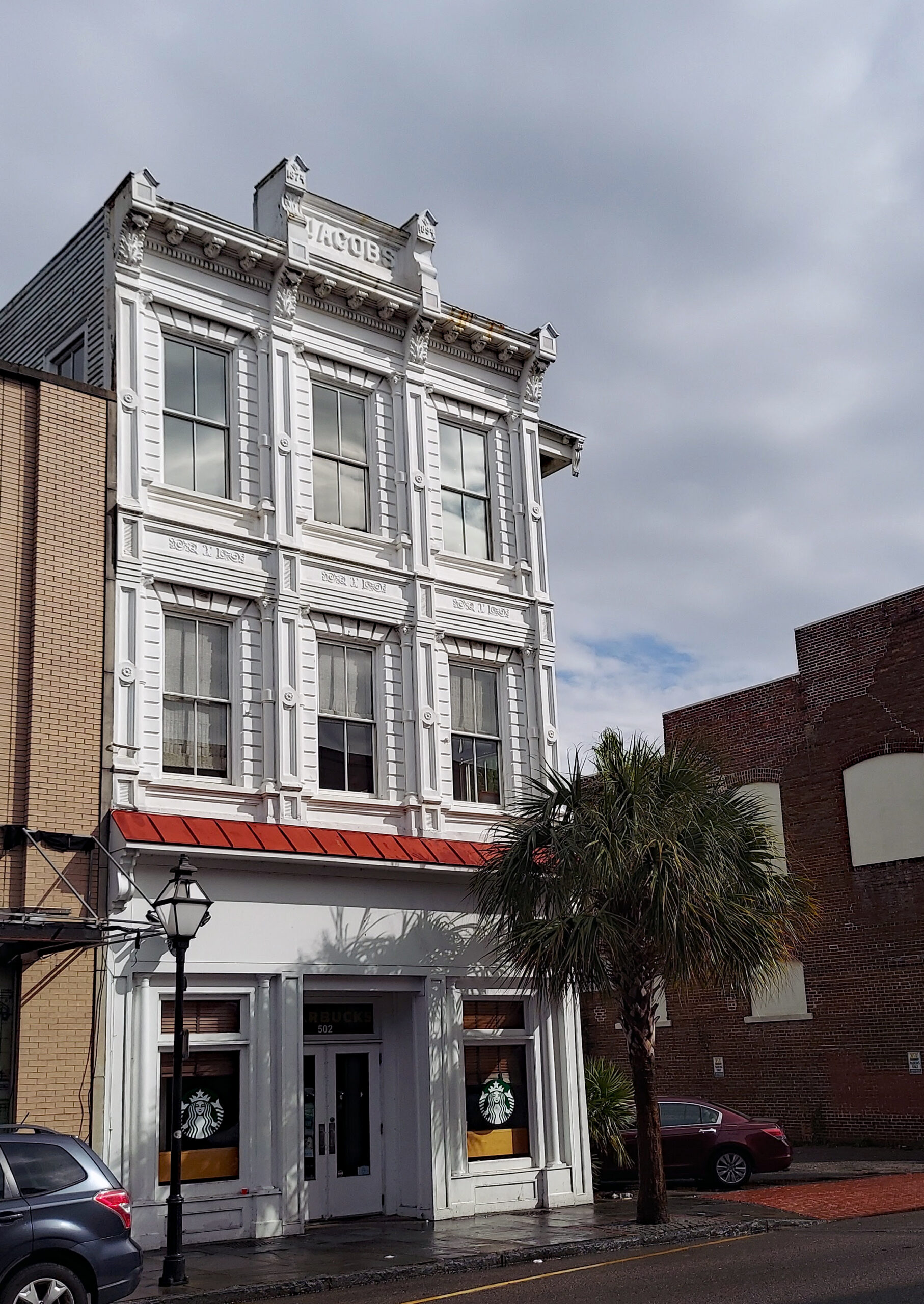
Image credit: P. Hughes, King Street, Charleston, January 16, 2022. Resized file photo, not a proposed streetscape; CC BY-SA 4.0.