Tampa has approved a $21 million community-benefits deal tied to the Rays’ proposed stadium. But the first five-year package accounts for $4.2 million, with later projects returning to City Council for approval.
The council approved the agreement 4–3 on October 29. For residents in Drew Park, West Tampa and other neighborhoods, the immediate question is what those commitments would deliver—and who controls the spending.
The vote follows the city’s commitment of $80 million toward stadium construction. GlobalFlare previously covered the related bond-resolution vote; this latest decision concerns community benefits rather than another stadium-funding authorization.
What the first five years would fund
The agreement’s initial project list covers 2027 through 2031. Among its estimated allocations are:
- $1.25 million for housing stability and anti-displacement efforts.
- $600,000 for neighborhood improvements in Drew Park and West Tampa.
- $625,000 for Al Lopez Park improvements.
Tampa Monitor’s review of the revised agreement also identifies apprenticeship support, small-business assistance and youth sports funding. Its reporting notes that the new neighborhood-improvement fund was assembled partly by reducing other planned allocations.
These are commitments spread across several years, rather than money already delivered to households. Residents should not read the vote as an announcement that applications for rental assistance, business support or other benefits are now open.
Cash, services and future decisions
Under the agreement presented to council, at least 70% of the initial commitment must be cash. Benefits can also include services and programs. Later five-year project lists require further council approval; the entire $21 million is not a single immediate cash payment.
The agreement also provides for annual reporting and a public council presentation. A community committee may recommend priorities, but its role is advisory. Final spending authority remains with the stadium company, subject to the agreement.
Those oversight provisions help explain why the vote remained divided. Council members disagreed about the arrangement even as they considered potential neighborhood investments.
WUSF reported that Bill Carlson, Luis Viera, Naya Young and Alan Clendenin voted yes. Charlie Miranda, Lynn Hurtak and Guido Maniscalco voted no. Carlson praised the collaboration but also questioned why the city should contribute funds and then receive part back as benefits.
The proposed ballpark would occupy land at Hillsborough College’s Dale Mabry campus. WUSF reports that the Rays are targeting the 2029 season; that remains a project goal, not an operating stadium or a guaranteed opening date.
For nearby residents, the next test is delivery: which projects take shape, when funds arrive and what the annual reports show. The council vote establishes a framework, while much of its neighborhood impact is still ahead.
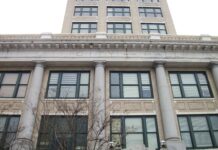
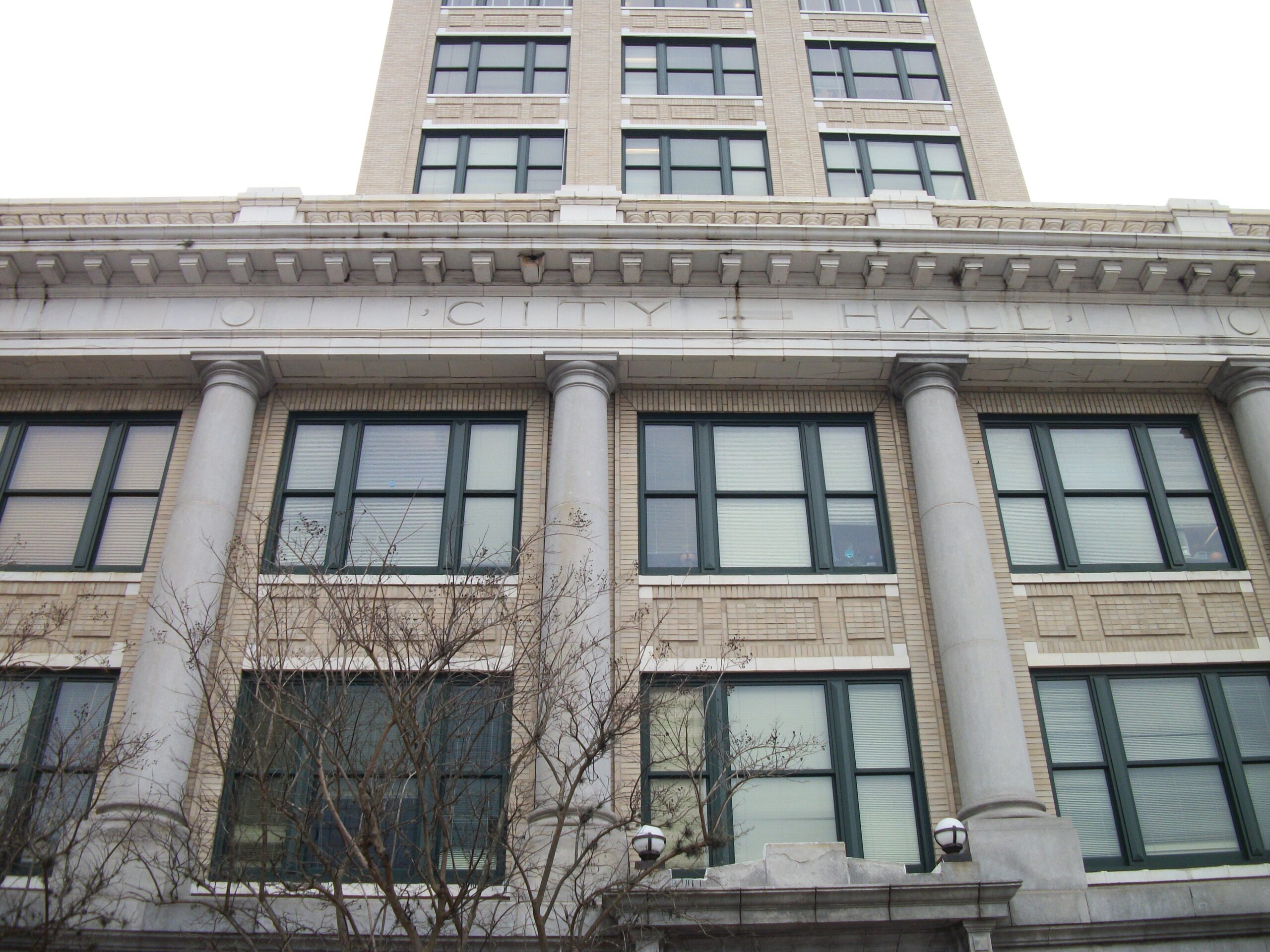
File photo: Old Tampa City Hall, February 2014. DanTD / Wikimedia Commons, CC BY-SA 3.0. Resized only; this is not an image of the October 2026 council meeting.